
Definition
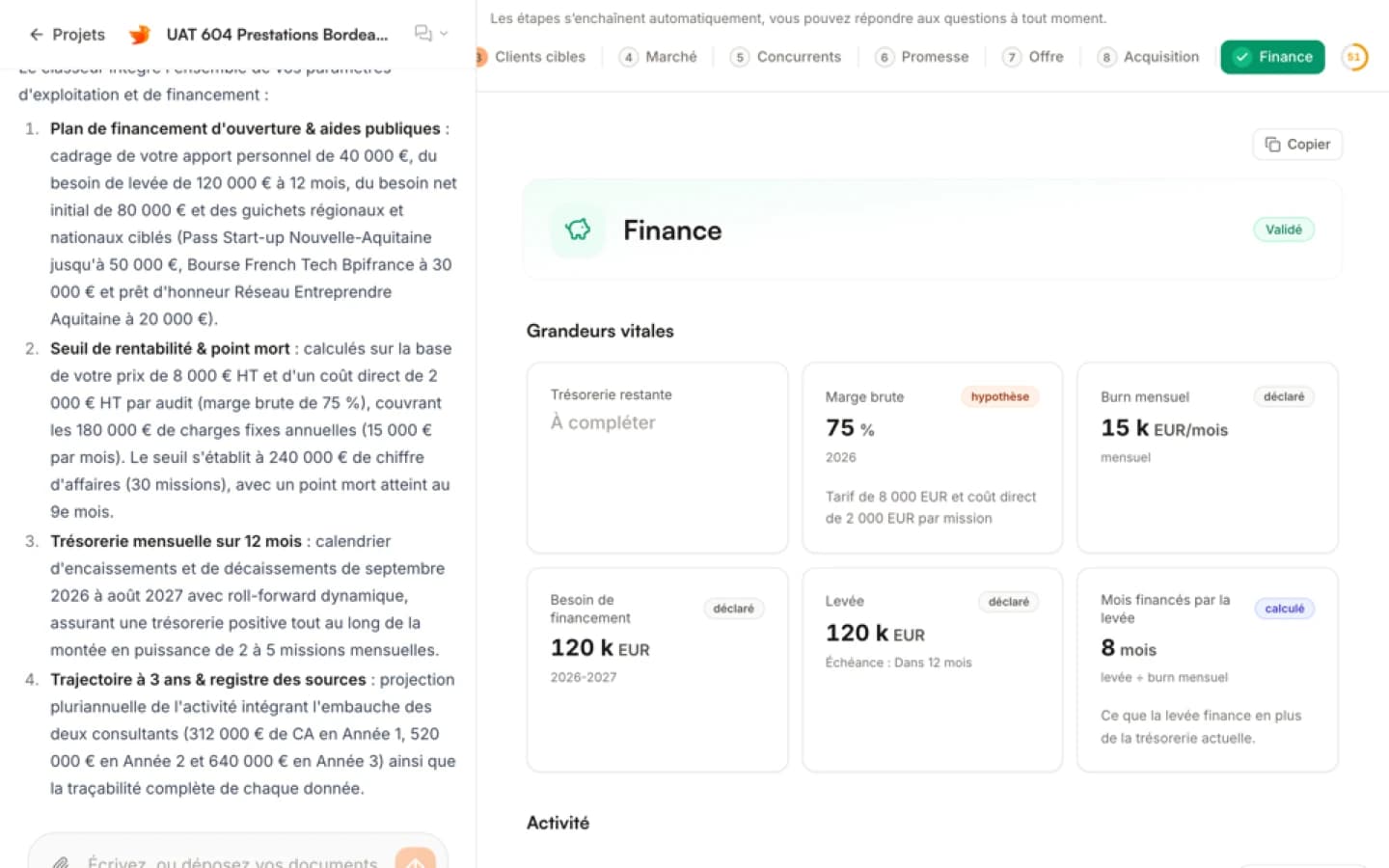
An investor data room is a secure, structured digital repository where early stage founders store the essential financial, legal, and operational documents required during a fundraising round. As explained by HummingDeck, this repository gathers the supporting documents a founder shares when a fundraising conversation moves from the pitch into due diligence. Rather than merely acting as a static folder of files, a strategic data room is designed to validate the narrative of your pitch deck, answer investor questions proactively, and significantly shorten the time it takes to close a deal. For venture capital (VC) firms, the diligence process is a rigorous exercise in risk mitigation. According to Burkland Associates, a well-prepared data room gives investors a clearer view of the business and makes diligence easier to manage. Furthermore, using a structured approach allows founders to protect sensitive information while gaining valuable document insights to monitor which materials investors are actually reviewing, as detailed by Orangedox. Instead of scrambling to compile these documents under tight deadlines, founders can leverage modern tools to streamline preparation. For instance, Ember offers a capability called Fund Your Growth, which organizes finance, traction, legal, and investor materials in a Data Room connected directly to the project file. This helps keep your strategic narrative and supporting evidence aligned from pitch to term sheet.
To place this decision in context, the Knowledge guides for finance bring together deeper guidance on the same field.
Prerequisites
Before a founder begins compiling files, certain foundational elements must be in place. Setting up an investor data room is not merely about dumping documents into a cloud folder. It requires rigorous preparation of your startup's legal, financial, and operational foundations. First, ensure your corporate hygiene is clean. This includes up-to-date incorporation documents, board minutes, and a fully reconciled capitalization table. Every employee and contractor must have signed intellectual property (IP) assignment agreements. Without these, investors will pause their review immediately. Second, your financial bookkeeping must be immaculate. As highlighted by Burkland Associates, a data room that feels painful to assemble is often a sign that finance infrastructure needs work. Plan for historical balance sheets, income statements, and a clear, defensible financial model that projects future growth. Third, you need organized proof of traction. This includes key performance indicators (KPIs), customer contracts, and case studies. Orangedox notes that having structured virtual data rooms and document insights is a best practice for managing investor relations and closing rounds efficiently. Instead of managing these prerequisites in scattered folders, founders can leverage Ember. The Fund Your Growth capability in Ember organizes finance, traction, legal, and investor materials in a Data Room connected to the project file, ensuring that all necessary evidence is structured and ready before the first investor conversation.
Steps
To build a fundraising data room that shortens diligence, founders must follow a structured, step by step process that prioritizes clarity and security.
The initial phase requires establishing a logical folder hierarchy. Investors appreciate a predictable layout that allows them to find documents without unnecessary searching. A standard structure includes folders for corporate legal documents, financial data, team information, and intellectual property. According to Orangedox, a well-structured virtual data room prevents confusion and accelerates the due diligence process.
The next phase involves compiling corporate and legal documents. Gather all incorporation papers, bylaws, board minutes, and your current cap table. Ensure all material contracts, such as customer agreements and vendor partnerships, are fully signed and organized. This phase is critical because any missing signature or unrecorded board consent can stall a deal.
Following this, founders must prepare financial models and historical records. Place your historical financial statements, tax returns, and forward-looking financial model in a dedicated finance folder. As noted by Burkland, a well-prepared data room gives investors a clearer view of the business and shows that it is run with discipline. Your financial model should clearly link your assumptions to your funding needs.
The subsequent phase focuses on securing intellectual property and compliance. Protect your proprietary technology by including patent filings, trademark registrations, and signed employee invention assignment agreements. Having these documents organized proves to investors that your startup fully owns its technology.
Finally, establish strict access controls and tracking. Before sharing the data room, configure precise permission levels. Use secure, trackable links to monitor which investors are opening which documents. This tracking helps you gauge investor interest and prepare for specific questions during meetings.
Rather than treating the data room as an isolated folder, founders can use integrated tools to maintain alignment. For instance, the Fund Your Growth capability in Ember organizes finance, traction, legal, and investor materials in a Data Room connected to the project file and attached to your business plan and funding strategy. This helps keep every document aligned with the narrative you present in your pitch.
To explore this point further, Fund Your Growth Use Cases for Structuring Your Pitch Deck details a step directly related to this decision.
Worked example
To see these principles in action, consider the case of a Software as a Service (SaaS) startup preparing for its seed funding round. The founder needs to transition from initial partner conversations to active due diligence without letting momentum stall. Instead of sharing a disorganized cloud folder, the founder structures the repository into four distinct areas. The first section contains corporate governance documents, including articles of incorporation and bylaws. According to HummingDeck, an investor data room is the set of supporting documents a founder shares when a fundraising conversation moves from the pitch into diligence. The second section focuses on financial systems and historical performance. The founder includes clean bookkeeping records, tax filings, and a forward looking financial model. As detailed by Burkland Associates, a well-prepared data room gives investors a clearer view of the business and makes diligence easier to manage. The third section houses Intellectual Property (IP) and material contracts, including customer agreements and employment contracts. To ensure the security of these sensitive files, the founder utilizes document tracking. As highlighted by Orangedox, virtual data rooms that provide detailed document insights and protection are essential for managing financial due diligence and investor relations securely. Finally, the founder connects these pieces using Ember. By leveraging the Fund Your Growth capability, the founder organizes finance, traction, legal, and investor materials in a structured Data Room connected directly to the core business plan file. The founder thus keeps documents, business plan and funding strategy in one file, which limits the risk of presenting conflicting data to investors.
Common mistakes
Many early-stage founders treat the investor data room as an afterthought, leading to critical errors that stall momentum just as venture capitalists show interest. A frequent blunder is the unorganized file dump. Uploading a chaotic assortment of files into a generic cloud folder signals poor corporate hygiene and forces investors to hunt for basic information. This friction can easily kill a deal before the formal review even begins. As noted by Burkland Associates, maintaining a clean and professional structure is essential for scaling startups.
Another serious pitfall is premature over-sharing. Disclosing highly sensitive intellectual property, detailed customer contracts, or the complete capitalization table during initial casual conversations exposes the startup to unnecessary risk. According to best practices outlined by HummingDeck, a data room should only be shared when a fundraising conversation moves from the pitch into active diligence, yet many founders share sensitive files far too early. Furthermore, security and document tracking are vital; Orangedox stresses the value of knowing which investors open your materials and which folders get the most attention. Founders should instead share information in stages, releasing highly sensitive documents only when an investor has demonstrated serious intent.
A glaring disconnect between the pitch deck narrative and the actual financial documents in the data room will also instantly raise red flags. If the growth projections presented in the initial pitch do not align with the historical traction and operational metrics stored in the repository, investors will question the founder's credibility. The underlying business assumptions must remain consistent across every document.
To avoid these friction points, founders can leverage structured tools rather than manual folder setups. Ember offers a capability called Fund Your Growth, which organizes finance, traction, legal, and investor materials in a dedicated Data Room connected directly to the project file. By linking business assumptions, funding needs, and supporting evidence within a single coherent context, founders can ensure their documentation remains structured and fully aligned with their strategic narrative.
This approach also connects with What Evidence Must Bootstrapped Founders Verify Before Choosing Fund Your Growth?, which clarifies the next choice.
Tools
Choosing the right technology stack is critical when setting up a secure environment for investor due diligence. While basic cloud storage solutions like Google Drive or Dropbox are often good enough for the earliest stages of a project, they lack the granular tracking and security controls required during active fundraising. Specialized tools have emerged to help founders manage access, track investor engagement, and maintain document security.
For instance, platforms like Orangedox offer virtual data rooms and document tracking insights specifically designed for pitch decks and closing fundraising rounds, as discussed on the Orangedox Blog. These insights allow founders to see which slides or documents receive the most attention from potential investors. To structure these files effectively, founders can reference checklists and folder templates, such as those detailed on the HummingDeck Blog, which outline how to transition from initial partner conversations into active due diligence. Additionally, professional advisory firms emphasize that a well-prepared data room gives investors a clearer view of the business and makes diligence easier to manage, as highlighted on the Burkland Blog.
While external sharing platforms are excellent for hosting and tracking final files, the actual preparation of your fundraising materials requires a different kind of support. This is where Ember provides a foundational advantage. Through the Fund Your Growth capability, Ember organises finance, traction, legal, and investor materials in a Data Room connected to the file. This ensures that your strategic documents, financial models, and corporate records are aligned before they are uploaded to an external sharing platform. Additionally, when preparing your presentation materials, Ember's Creation helps you do more than produce slides, allowing you to build a presentation that moves a decision forward. By combining structured internal preparation with secure external sharing tools, founders can execute a seamless, professional due diligence process.
When to use this method
An early-stage founder should not deploy a fully structured data room at the very first point of contact. Sending a comprehensive repository of sensitive corporate documents alongside a cold pitch deck is premature and can overwhelm an investor. Instead, this structured method becomes essential at specific inflection points in the fundraising journey.
The primary trigger for opening the data room is when a venture capital firm or an angel investor moves past the initial pitch meeting and requests supporting evidence. This transition from casual interest to active due diligence requires immediate responsiveness. Having a structured data room ready ensures that momentum is maintained, as delays in providing financial models or legal documents can signal a lack of operational readiness.
Another critical moment to use this method is during internal preparation, even before active investor conversations begin. Organizing these files early allows the founding team to identify gaps in their corporate hygiene, such as unsigned board consents or incomplete customer contracts.
By utilizing Ember and its Fund Your Growth capability, founders can seamlessly organize finance, traction, legal, and investor materials in a Data Room connected directly to their strategic file. This ensures that when an investor asks the inevitable deep-dive questions, the necessary proof is already structured and ready to be shared.
In practice, Building and Funding Your Project Without the Wrong Strategy completes this framework with another angle on the same topic.
When not to use it
Deploying a fully populated data room is highly counterproductive during the initial stages of investor outreach. Sending a link to your entire corporate history alongside a cold pitch deck signals a lack of operational boundaries and can overwhelm a Venture Capital (VC) analyst before they have even grasped your core value proposition. According to best practices outlined by HummingDeck, a data room should only be shared when a fundraising conversation moves past the initial pitch and into active due diligence. Sharing sensitive Intellectual Property (IP), detailed cap tables, and employee compensation details prematurely exposes your business to unnecessary risk without any reciprocal commitment from the investor. Furthermore, if your startup is still in the ideation or pre-seed phase and has not yet established formal commercial traction, customer contracts, or historical financial statements, attempting to build a complex virtual data room is a distraction. At this stage, investors are evaluating the team, the market size, and the product vision rather than auditing historical spreadsheets. For founders navigating these early stages, Ember provides the Fund Your Growth capability, which organizes finance, traction, legal, and investor materials in a Data Room connected to your project file. Sharing goes through a revocable 30-day link. Until an investor explicitly requests deeper validation, your focus must remain on building a narrative that earns that request.
Action plan
Building an investor-ready data room requires a systematic approach that balances transparency with operational security.
To establish a repository that shortens diligence, founders should execute the following steps:
-
Define the Folder Hierarchy: A clean structure prevents investor fatigue. According to the checklist on HummingDeck, a professional investor data room serves as the set of supporting documents a founder shares when a fundraising conversation moves from the pitch into active diligence. Founders should organize files into logical categories covering corporate legal documents, financial models, intellectual property (IP) filings, and customer traction data.
-
Prepare Financial and Legal Foundations: Investors expect to see clean historical financials and forward-looking projections. As highlighted by Burkland Associates, preparing a Venture Capital (VC) data room requires assembling tax compliance records, bookkeeping systems, and human resources (HR) documents. Founders must ensure that their capitalization table is fully updated and that all material contracts are signed and filed.
-
Implement Secure Document Tracking: Security and insights are paramount during active fundraising. Best practices from Orangedox suggest using virtual data rooms that provide document insights, allowing founders to track which investors are opening files and where they are spending their time during financial due diligence.
-
Align the Repository with Your Strategic Roadmap: A data room should not be a static archive. It must directly support your active fundraising strategy. This is where Ember can streamline the process. Through the Fund Your Growth capability, Ember organizes finance, traction, legal, and investor materials in a Data Room connected to the file. Instead of treating diligence as a separate administrative burden, this capability connects assumptions, evidence, funding needs, and the action plan in one single context. This lets you tie each document in your repository to the assumptions and action plan of the file.
-
Translate Gaps into Prioritized Actions: Before sharing access, founders must identify and address any missing evidence or weak points in their files. The Fund Your Growth capability in Ember connects decisions to an action plan and items to validate, helping founders build the Business Plan, choose a funding strategy, and plan the next steps with confidence.
Before deciding, How to Build and Fund a Project Without Choosing the Wrong Strategy? helps connect this method with adjacent priorities.
Sources and methodology
This article is built on a rigorous analysis of industry standards for venture capital (VC) virtual data rooms. We analyzed expert guidance from specialized financial advisory firms and secure document sharing platforms to compile a practical blueprint for early stage founders.
These analyzed publications include detailed frameworks from Burkland Associates, HummingDeck, and Orangedox.
By synthesizing these diverse perspectives, we have mapped out a folder structure and checklist that balances the transparency required by investors during due diligence with the operational security and focus needed by founders.
Sources
FAQ
Mini audit
Test your Business Plan
Identify strengths, missing proof and the next priority.